Post-Harvest Value Protection
(Clean Smoking and Cold Storage)
Program Overview
The Post-Harvest Value Protection programme focuses on what happens after the fish is caught. It addresses losses, health risks, and income erosion associated with traditional fish processing methods.
The gap between catching fish and selling it profitably is where many women lose money. Fish spoils quickly in tropical heat, and traditional preservation methods work but come with serious costs, both economic and physical. Women spend hours smoking fish over open fires, while others are forced to sell immediately at whatever price is offered because they lack storage options.
By introducing cleaner smoking technologies and cold storage solutions, the programme protects both product value and the wellbeing of women who process fish daily.

Why the Programme Exists
Post-harvest losses significantly reduce income for fisherwomen and fish processors. Challenges around waste and difficult preservation methods undermine the benefits of increased catch and contribute to poor health outcomes. Chronic respiratory problems are common among fish processors, yet these conditions are rarely addressed in economic programmes. The programme exists to ensure that effort invested in fishing results in maximum value and minimal harm.
What the Programme Does
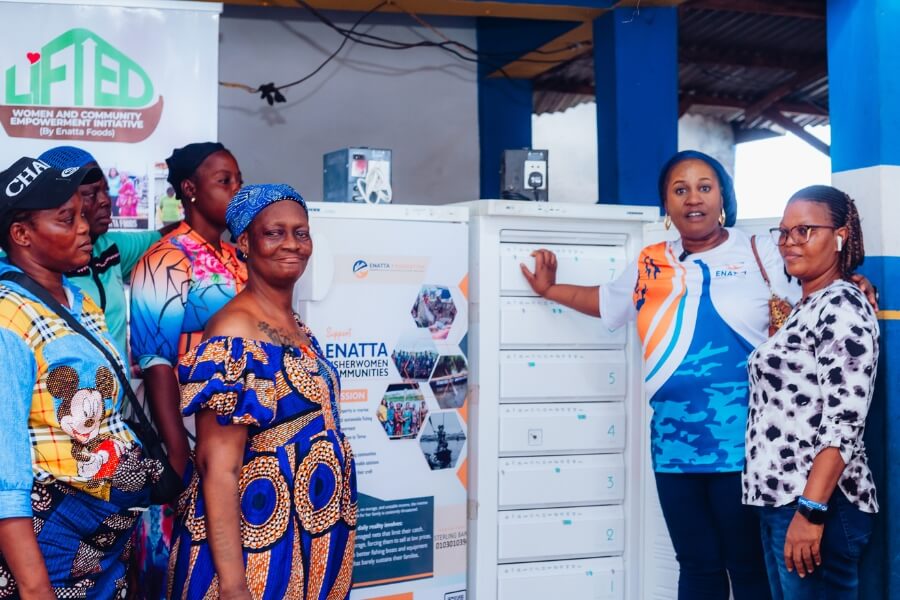
Enatta Foundation supports the adoption of eco-friendly smoking kilns that reduce smoke exposure and fuel use. Where feasible, cold storage solutions are introduced to extend shelf life and improve market timing.
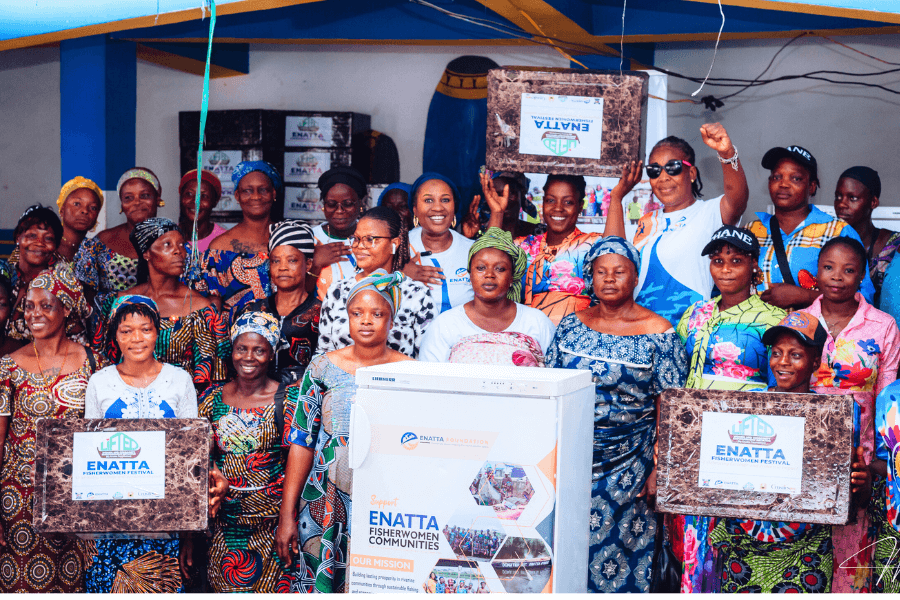
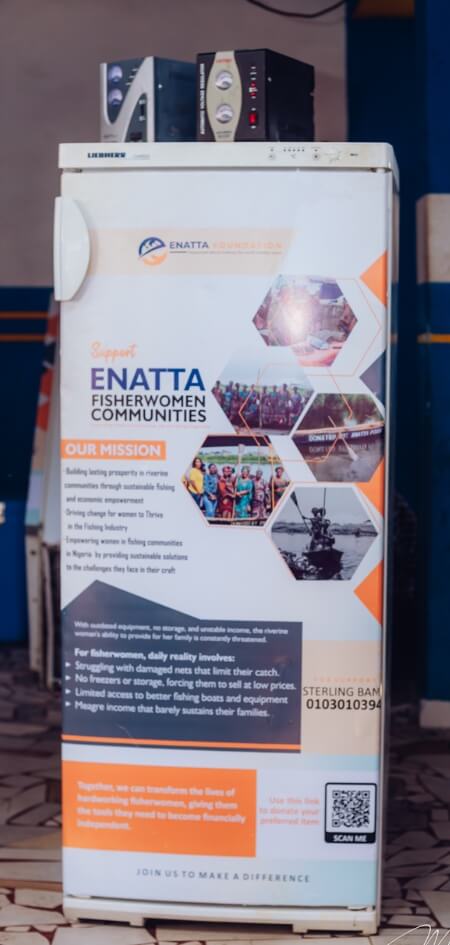
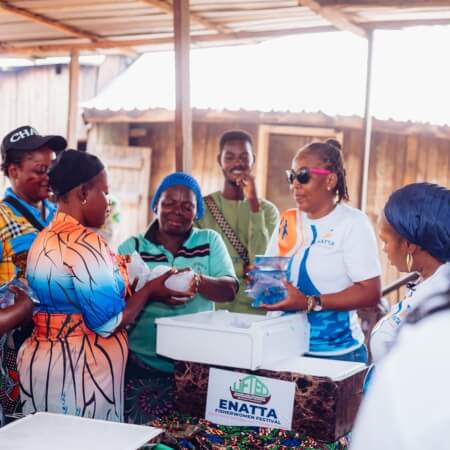
The Cold Storage which we have provided allows women to hold fish during low-price periods and sell when market conditions improve. The programme also provides training on quality control and basic market positioning to help women secure better prices for their products.
Who It Serves
The programme serves small-scale fish processors and fisherwomen operating within Enatta Foundation’s target communities.
Outcomes and Long-Term Impact
- Reduced post-harvest losses and spoilage
- Improved fish quality and market value
- Healthier working conditions for women processors
- Increased income stability and pricing control
- Greater efficiency in fuel use and processing time