The Invisible Backbone: Why Nigerian Fisherwomen Matter to Food Security

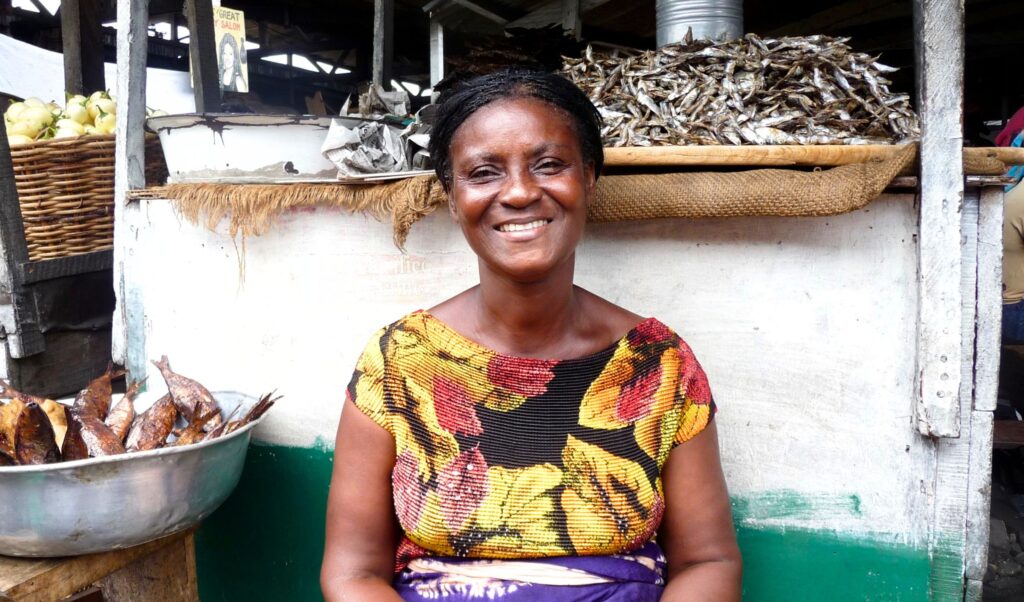
When we think about feeding a nation, the images that typically come to mind are vast farmlands or perhaps bustling markets. Rarely do we picture a woman standing knee-deep in coastal waters, sorting through the day’s catch with practiced hands. Yet in Nigeria, these women are quietly holding together one of the most critical pieces of our food system.
The numbers tell a story that should concern every Nigerian. While the Food and Agriculture Organization recommends a minimum daily protein intake of 53.8 grams per person, Nigerians consume an average of just 45.4 grams. Fish represents about 40 percent of animal protein consumed in Nigeria, making it our single most important animal protein source. Unlike beef or chicken, which remain expensive and out of reach for many families, fish offers affordable, high-quality nutrition.
The Women Behind the Supply
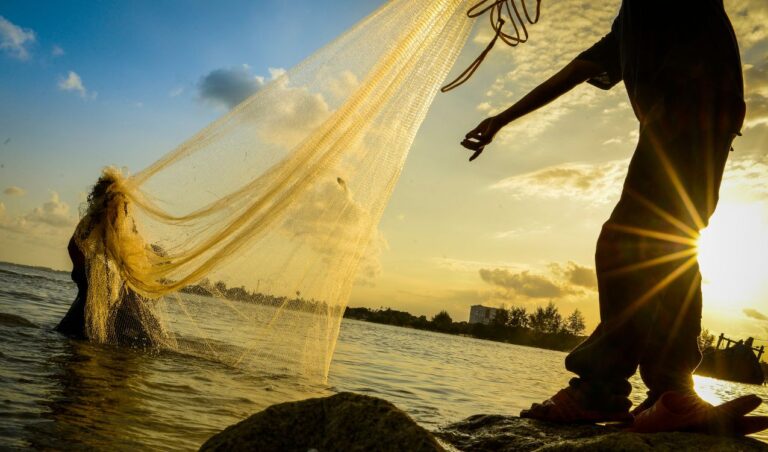
Artisanal fishing, the small-scale traditional fishing that happens along Nigeria’s 853-kilometer coastline and throughout our inland waterways, accounts for a large number of fish consumed domestically.
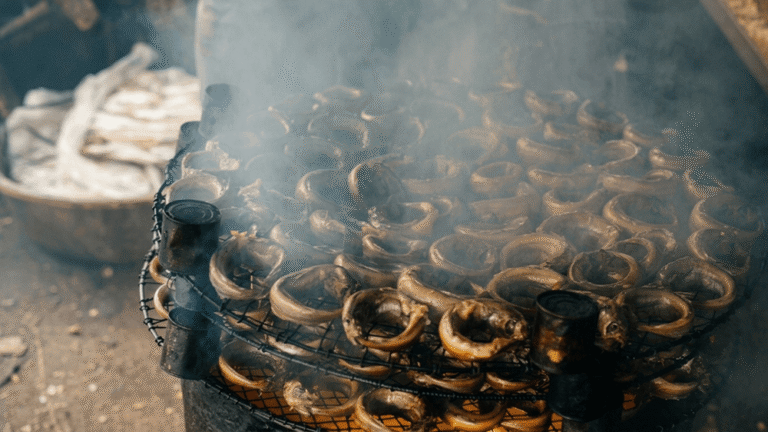
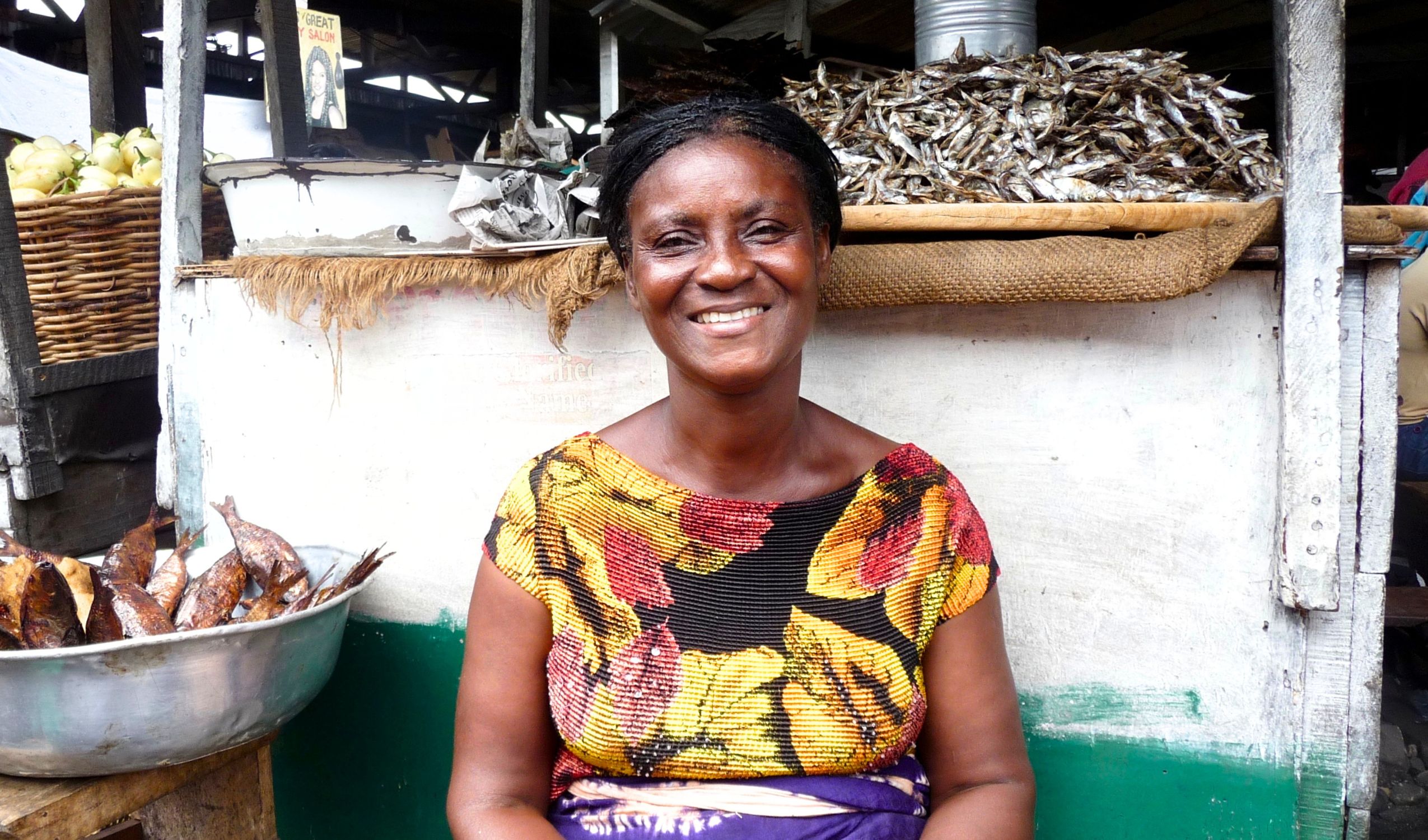
Women fish just like men do, but post-harvest processing and preservation are overwhelmingly the domain of women. They clean, smoke, salt, and dry the fish. They manage the intricate networks that move fish from landing sites to markets. They determine pricing and ensure that fish reaches consumers before it spoils. Without these women, the fish caught by men and women would rot on beaches and riverbanks.
This division of labor reveals something crucial about food security. The value of fish does not lie simply in pulling it from the water. A fish becomes food security only when it is properly preserved and successfully delivered to someone’s plate. Women are the guardians of that entire transformation.
The Work That Policy Ignores
Despite their central role, these women operate largely outside the view of policymakers and economic planners. When government officials discuss fisheries development, the focus typically centers on improving catch rates and managing marine resources. The processing and marketing side, where women work, receives far less attention.
This institutional invisibility has real consequences. Women fish processors struggle to access capital. They work without adequate facilities, often smoking fish over open fires in conditions that damage their health. They lack cold storage, so spoilage eats into their profits. Yet because this work happens within the informal economy and because it is seen as an extension of women’s domestic responsibilities, it rarely receives recognition as the skilled labor it actually is.
What is Actually at Stake
The vulnerability of women in fish processing has implications that extend far beyond individual livelihoods. Research consistently shows that income controlled by women is more likely to be spent on children’s wellbeing. A fisherwoman’s economic instability does not just affect her; it affects her entire household and community.
Nigeria already imports billions of naira worth of fish annually to bridge the gap between supply and demand. Strengthening the post-harvest sector, where women work, could reduce spoilage and ensure that more of what is caught actually reaches consumers. This is really not a small consideration because over 60 percent of Nigerian households face some level of food insecurity.
Seeing the System Whole
For too long, Nigeria’s approach to fisheries has focused heavily on the catching side while treating everything that happens afterward as somehow less important. Recognizing the role of fisherwomen is about understanding how food security actually works. A robust fish supply chain requires investment in both ends: the boats and nets that catch fish, and the processing facilities and market access that turn those fish into nutrition on people’s plates.
Women do not need to be brought into this system. They are already there, and they are doing essential work. What they need is for that work to be recognized and resourced appropriately. This means access to capital for better equipment and representation in policy discussions about fisheries management.
The government has recently begun acknowledging this need through initiatives which aim to create hundreds of thousands of jobs like the Women and Youth Economic Empowerment in Fisheries program, which Enatta Foundation participated in. Nonetheless, implementation is what will determine whether such programs genuinely transform women’s position in the sector.
Recognizing What’s Already There
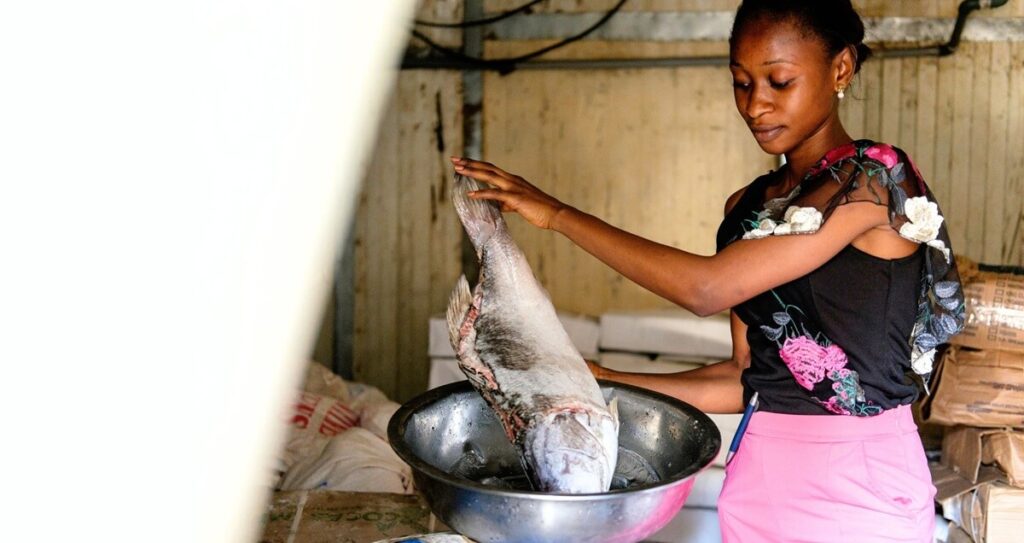
The story of Nigeria’s food security cannot be told without talking about the women who process and sell fish. They are not peripheral to the system; rather, they are the system’s connective tissue, the infrastructure that makes the whole thing work. Their labor and market knowledge turn what is caught into what families eat.
Food security in Nigeria will not be achieved by overlooking half the fishing sector. It will be achieved by seeing the whole picture: the catching and the processing, the men in boats and the women at smoking kilns, the policies that govern extraction and the infrastructure that supports preservation. When we talk about feeding Nigeria, we need to be talking about fisherwomen. They are already doing the work. It is high time we made that work visible and supported.