A DIVE INTO NIGERIA’S FISHING INDUSTRY

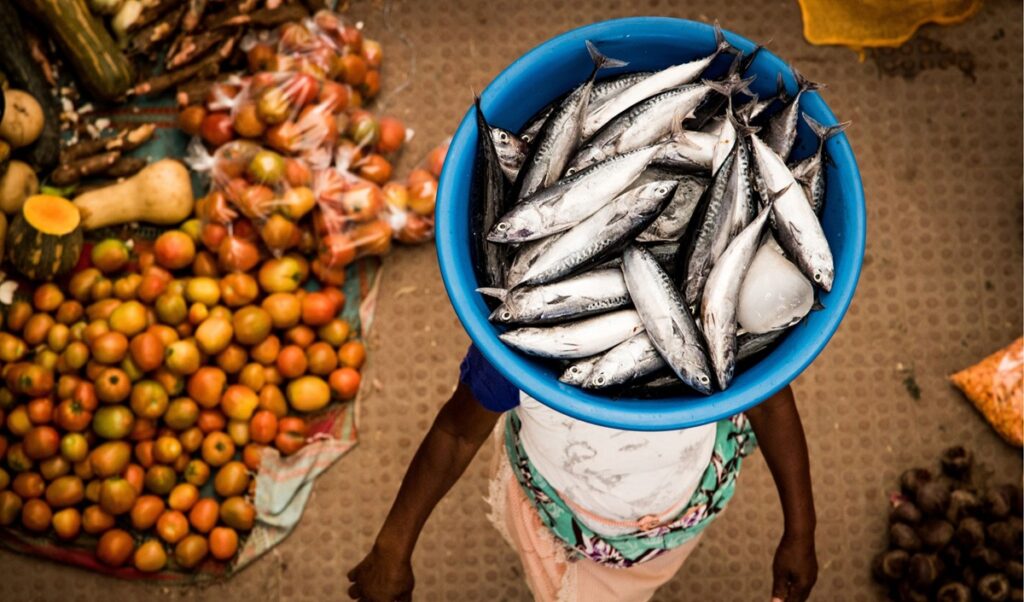
Nigeria is Africa’s most populous country, with an estimated 224 million people, over 853 kilometers of coastline and an extensive network of inland water bodies. The fishing industry, which encompasses both capture fisheries and fish farming, contributes immensely to employment and rural livelihoods across Nigeria. Nonetheless, this industry is not just a source of livelihood for millions of Nigerians, it also contributes to the nation’s food security.
According to World Fish, Nigeria produces 1.2 million metric tons of fish annually and out of this, 90% is consumed domestically. However, the annual per capita fish consumption stands at a mere 11.3 kg, which is considerably below the global average of 21 kg. This deficit necessitates the importation of fish, thereby costing the country billions in foreign exchange to cover 45% of its supply.
Nigeria’s fishing industry has industrious individuals working to facilitate its growth but despite their contribution to national food development, the industry is riddled with challenges that hamper its growth and sustainability.
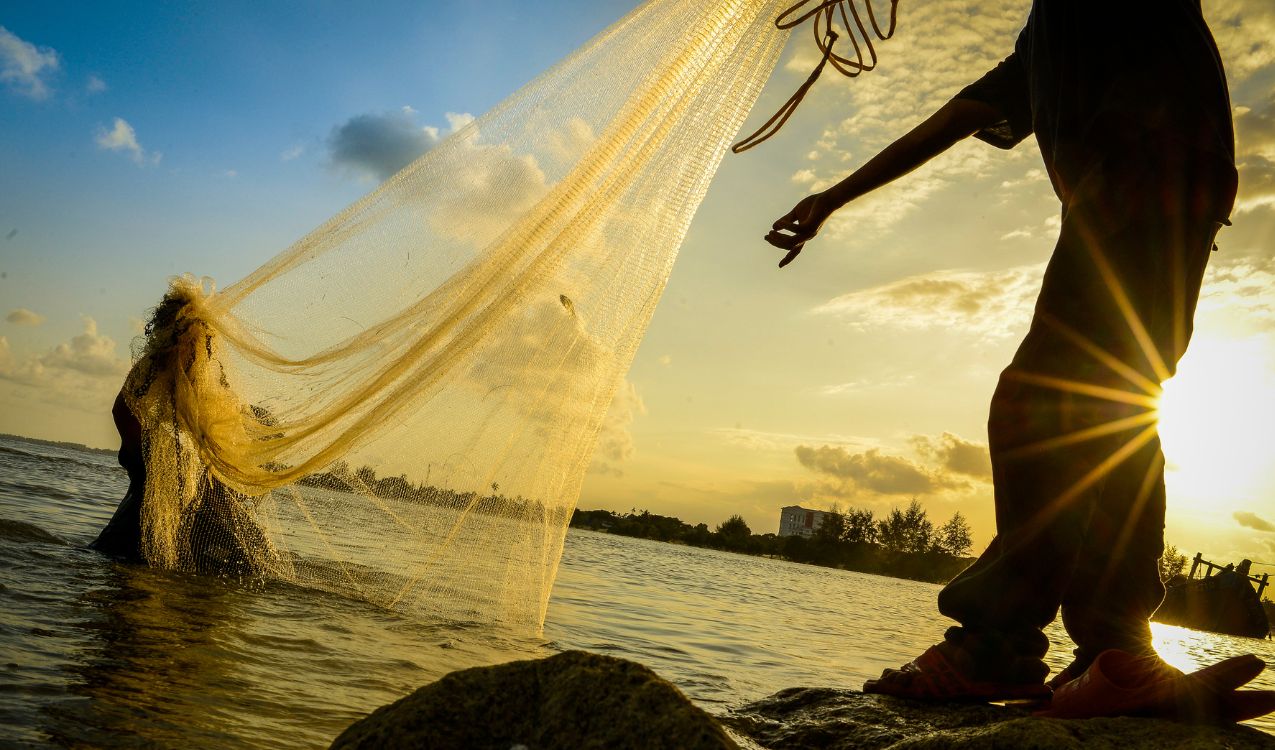
Fundamentally, Nigeria’s fishing industry comprises three sectors: artisanal, industrial and aquaculture. The most dominant sector is the artisanal fishing sector which contributes over 80% of fish produce. It involves small-scale fishers which operate along coastal areas and who utilise traditional fishing methods. These fisherfolks are found in every Nigerian coastal state such as Lagos, Rivers, Bayelsa, Delta, Ondo, Akwa Ibom and Cross River. They are also found around the inland regions and communities surrounding Lake Chad, River Niger and River Benue, as well as smaller rivers in which freshwater fishing can be carried out.
The industrial sector is smaller in volume and involves mechanised fishing vessels which target deep-sea species, while aquaculture, fish farming in controlled environments, is on the increase as a method of reducing over-reliance on natural water bodies in fish farming. These fish farming sectors yield .. number of fish species especially croakers, tilapias and catfish which are consumed locally by Nigerians. Of these, catfish is the centrepiece of Nigeria’s aquaculture industry due to its adaptability to local conditions and its high demand.
Nevertheless, Nigeria’s fishing industry suffers decline and is plagued by numerous challenges. In 2016, total fish production was reported at 1,041,458 metric tons, and aquaculture production, which reached over 259,100 metric tons in 2022, has shown a decreasing trend since 2016. One of the notable challenges is overfishing, both legal and illegal. Illegal, unreported and unregulated (IUU) fishing has cost Nigeria an estimated $70 million annually in lost revenue which, of course, has dealt a huge blow to the country’s economic state. Also, the presence of invasive species like water hyacinth and all forms of pollution have put further strain on fish habitats and reduced fish yield. Furthermore, lack of access to cold storage facilities, modern processing equipment and efficient transportation have led to high post-harvest losses. In some cases, up to 40% of the daily catch is lost due to spoilage, thereby reducing the profitability of fishing as a livelihood.
In spite of these challenges, there is potential for transformation as Nigeria is well-positioned to expand its fish production if there would be better management of its vast coastline. Investments in aquaculture have already shown promise, with private sector-led hatcheries, feed mills and processing plants emerging across the country. However, to fully maximise the potential of the fishing industry, several strategic actions need to be put in place such as implementing stricter regulation and monitoring to combat IUU fishing, rehabilitating degraded water bodies and improving infrastructure in fishing communities. Policy reforms that ensure equitable access to resources, as well as community-driven co-management of fisheries, can also create a platform for more sustainable practices.
Finally, there should also be support for fisherwomen who form a crucial but often overlooked part of the value chain, especially in the processing and marketing of fish. This is a gap that the Enatta Foundation efficiently bridges and this has led to a lasting impact on the fishing industry at the local level.
In all, Nigeria’s fishing industry holds profound promise for poverty reduction, employment increase, inclusion and boosting economic growth if accurate policies are implemented and individuals do their part in creating healthier waterways for fishes to thrive.
WOMEN WHO FISH: HOW ENATTA FOUNDATION IS RAISING EMPOWERED FISHERWOMEN
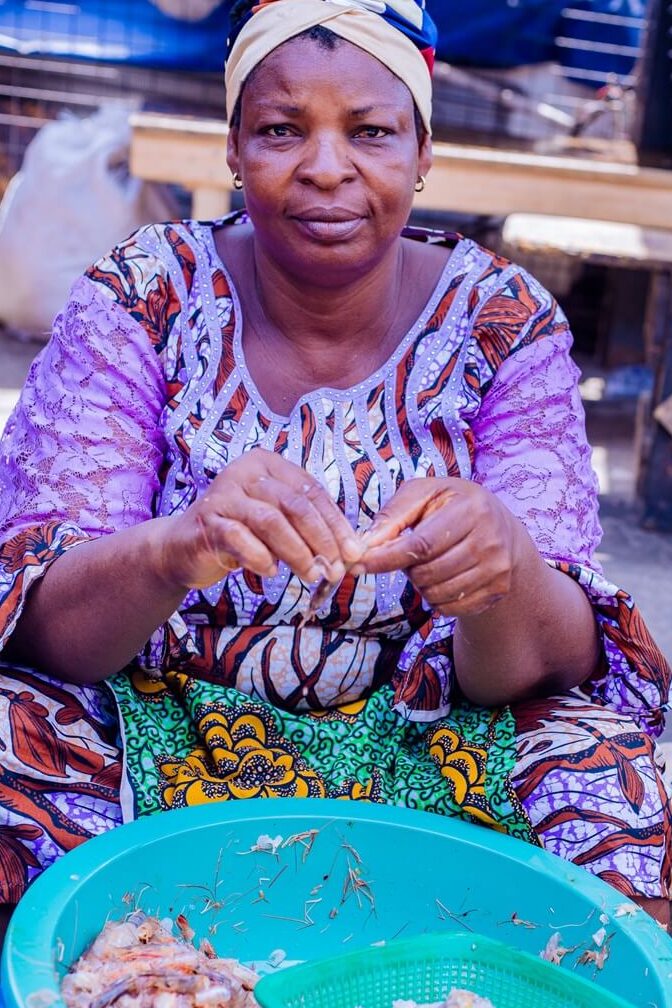
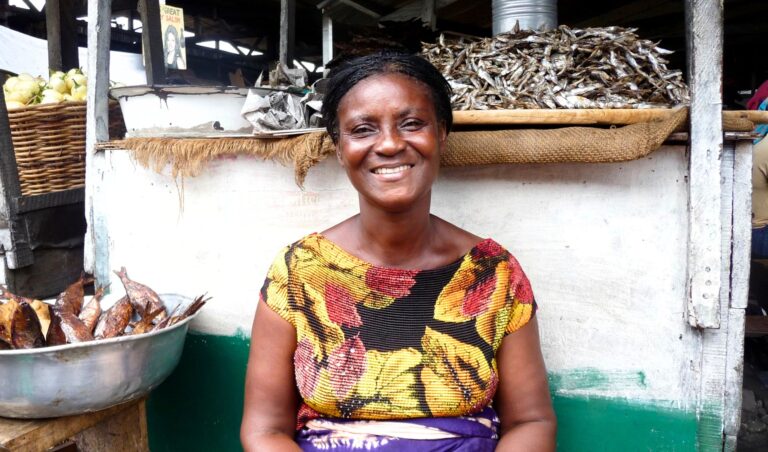
Women do fish. No, it is not just fishing in small waterbodies using scooping nets. I mean fishing that involves the use of boats and large nets. Lagos State, amongst Nigeria’s other coastal communities, has a sizable number of fisherwomen who contribute to the food system and Nigeria’s local economy. Despite the estimated 47% of women involved in capture fisheries in Nigeria, the Nigerian fisheries sector has been proven by studies to be gender biased regarding prominence in participation. The male fisherfolks often dominate the scene and occupy important positions which include control and access to productive resources of fishing systems. They are in possession of the fishing vessels and equipment used in the capture fisheries sector. In essence, they rule that world. Many times, these roles confer on them pecuniary benefits such as investment opportunities, loan facilities, importing and exporting licences, among others.
Regardless of women’s economic potential in small-scale fisheries, investments by women in the artisanal, aquaculture and industrial sectors are at terribly low levels. Fisherwomen most times play the second-fiddle role of processing and marketing while depending on fishermen for major decisions. This reveals the underlying socio-cultural norms and gender relations replete in the fishing sector. Furthermore, these are accentuated by intersectionality which is a factor that most often impedes the women’s opportunities to own, access to or control productive resources and other inputs. Unfortunately, it is evident that gender mainstreaming in the fisheries sector is still a major problem in Nigeria but thankfully, Enatta Foundation is one out of many organisations that is redirecting the tide of the narrative.
Enatta Foundation’s Role in Raising Empowered Fisherwomen
Enatta Foundation is a nonprofit organization committed to empowering underserved fisherwomen in Nigeria’s coastal communities through sustainable livelihoods, financial and environmental initiatives. Having witnessed the hardship that comes with not only being a woman in Nigeria, but being a fisherwoman in Nigeria; the lack of access to the tools and opportunities freely given to the male fisherfolk, and the inability to stand as in independent entity, social entrepreneur, Mrs Adijat Okuyelu founded the organisation to define structure and empower fisherwomen, in partnership with private and government establishment.
Over the years, Enatta Foundation has recorded a profound impact on the lives of these fisherwomen through several initiatives and projects, some of which include:
The Boat Project
The Boat Project is a cornerstone initiative by Enatta Foundation aimed at directly enhancing the fishing capacity and economic sustainability of fisherwomen. Through this project, the Foundation has provided durable, locally built boats and essential fishing gear to fisherwomen in Lagos’ fishing communities such as: Isale-Akoka, Ilaje-Ebute, Ago-Egun, Oworonshoki, Ogudu, Araromi, Agboyi and Ajegunle. The impact of this initiative is significant, has kick-started economic activities and has been shown to increase income by 60-100%.
Prawn Catchers Initiative
This is another transformative initiative designed to empower women in coastal communities by providing them with prawn catchers in order to maximize their participation in the prawn catching season. This initiative has created a ripple effect that has benefited entire families and communities leading to enhanced food security, improved health outcomes and greater opportunities for future generations.
Money Mata Programme
Enatta Foundation has contributed in raising empowered fisherwomen through its Money Mata programme. This focuses on financial literacy and business empowerment for riverine women. It also addresses the lack of fundamental financial education, tools, and networks that often hinder fisherwomen from scaling their operations and building lasting wealth. The programme equips women with practical, hands-on knowledge in personal finance management, record keep and very importantly, participation in established cooperative groups.
Water Hyacinth Removal Initiative
Addressing environmental constraints is a key aspect of the Enatta Foundation’s work. Through this initiative, the Foundation investigates problem areas along Lagos’ waterways and partners with organisations to collect and recycle water hyacinths which are invasive aquatic plants.
Solar-Powered Refrigeration Units
The foundation has also distributed refrigeration units to fisherwomen as part of its post-harvest initiative. The project provides solar-powered refrigeration units to fishing communities, replacing environmentally harmful preservation methods with clean energy alternatives. This initiative is transforming livelihoods by reducing spoilage, increasing economic stability, and promoting sustainability.
The Boat Regatta
Through this cultural festival, the Enatta Foundation celebrates the resilience and cultural heritage of coastal women through a structured and inclusive Boat Regatta that fosters social recognition, cultural exposure and stakeholder engagement. The Foundation also provides an avenue for scalability by opening the women up to access high value markets through this initiative.
Food Parcel Distribution
Enatta Foundation also distributes food parcels to fisherwomen, individuals and families in underprivileged communities. This initiative is aimed at alleviating poverty amongst underprivileged individuals and communities.
In conclusion, Enatta Foundation’s work with fisherwomen exemplifies how grassroots development can intersect with national priorities on food security, gender equity and environmental sustainability. By addressing systemic barriers, equipping women with knowledge and tools and promoting inclusive economic models, the Foundation is helping to reshape the narrative around riverine fisherwomen. The Foundation continues to expand its reach and impact through strategic partnerships and actively seeks support and collaboration to further its mission. They encourage individuals and organizations to join hands with them to create lasting change and shape a brighter future for fisherwomen and their communities in Nigeria.